
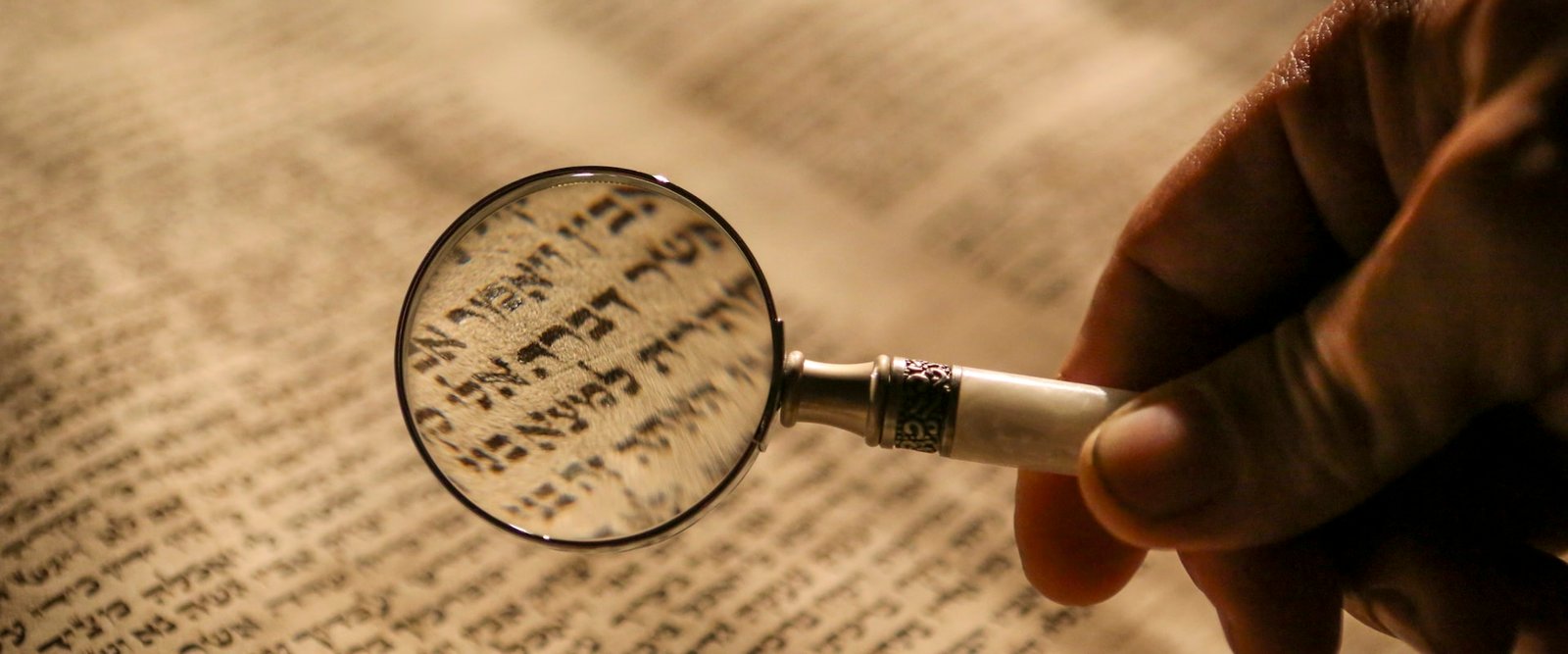
Handwriting is a learned motor skill that gradually becomes a unique, individualised pattern of writing as a person moves away from the formal schooltaught system. It begins as a uniform, structured process in early schooling and develops into a highly personal set of habits, movements, and letter formations that no two people share.
What Handwriting Is
Handwriting is the act of forming letters and words on a surface using a writing instrument such as a pen or pencil. It is a core communication skill because it allows others to interpret your written message. The manner or skill of handwriting is known
as penmanship.
Although handwriting is taught systematically, every writer eventually develops a distinctive style shaped by:
- How they form letters
- Spacing between letters and words
- Slant or slope
- Writing speed and rhythm
- Pressure applied to the page
- Size and proportions of letters
These elements combine into a pattern that is unique to each individual, which is why handwriting can be used to verify authorship in forensic document examination Regional vs. Individual Characteristics
A critical forensic principle is distinguishing regional characteristics from individual characteristics. Different countries, provinces, or school districts teach different handwriting systems (e.g., D’Nealian, ZanerBloser). These systems produce recognisable regional traits.
For example, writers from a specific region may consistently form certain letters—such as “g” or “h”—in a distinctive way. An inexperienced examiner may mistake these shared regional features for individual traits, but they are actually common to many writers from that area.
This is why trained forensic examiners must understand local handwriting systems before evaluating individuality.
How Handwriting Develops
In the first years of schooling, children’s handwriting looks very similar because they follow the same prescribed system. As they progress:
1. They begin to stray from the taught forms.
2. Motor habits become more automatic.
3. Personal variations emerge.
4. Over time, these variations stabilise into individual characteristics.
Skilled writers—those who write frequently—develop the strongest individuality.
People who seldom write tend to remain closer to the schooltaught system.
The Three Main Handwriting Styles
Modern handwriting instruction generally follows three progressive styles, each building on the previous one. These styles are widely recognised in educational systems internationally.
- Print (Manuscript / Block Lettering)
- Letters are disconnected; the pen lifts between each letter.
- Taught first because it is simple and highly legible.
- Used on official forms where clarity is essential.
- PreCursive (Transitional / Continuous Cursive)
- Letters include small leadin and leadout strokes.
- Not fully joined yet, but designed to prepare children for joining.
- Helps establish correct start and end points for each letter.
- Cursive (Joined Handwriting)
- All letters in a word are connected in a flowing movement.
- Faster and more efficient because the pen lifts less often.
- Includes variations such as looped, italic, and connected cursive.
Why No Two People Write the Same
Even though people begin with the same system, their handwriting diverges due to:
- Neuromuscular development
- Writing frequency
- Personal habits
- Cultural and regional influences
- Writing tools and environment
This is why no two people have identical handwriting, and why you never sign your signature exactly the same way twice—signatures are dynamic movements, not static drawings.